
Series History
Revisit the Crazy Taxi series from the 1999 arcade classic to the 2027 World Tour reboot — Crazy Box, the Offspring and Bad Religion soundtracks, and the long road back.
Introduction
The Crazy Taxi series has one of the most storied histories in arcade gaming, and Crazy Taxi: World Tour is the long-awaited next chapter in that story. It all began in 1999, when the original Crazy Taxi arcade game launched, developed by Hitmaker and published by SEGA, and quickly became a worldwide phenomenon with its unique blend of pick-up-and-play driving, a punk-rock soundtrack and a strict beat-the-clock scoring system. The series continued with Crazy Taxi 2 in 2001, which added the Crazy Hop jump and New York-inspired maps, and Crazy Taxi 3: High Roller in 2002, which brought a Las Vegas-inspired map and more drivers. Alongside the main games, the series was famous for its Crazy Box mini-games, its iconic soundtrack from The Offspring and Bad Religion, and its unmistakable arcade style. After 2002, the franchise went quiet on the mainline front for more than two decades — until SEGA announced Crazy Taxi: World Tour, built in Unreal Engine and slated for 2027. This category traces the full history of the series, from the 1999 classic through the sequels, the mini-games, the music and the long road back to this reboot.
Series Milestones
| Year | Game | Milestone |
|---|---|---|
| 1999 | Crazy Taxi | Original arcade classic, developed by Hitmaker and published by SEGA |
| 2001 | Crazy Taxi 2 | Adds the Crazy Hop and New York-inspired maps |
| 2002 | Crazy Taxi 3 | High Roller adds a Las Vegas map and more drivers |
| 2000s | Spinoffs | Crazy Taxi: Catch a Ride, Fare Wars and City Rush follow |
| 2027 | World Tour | The Unreal Engine reboot returns the series to the spotlight |
Franchise Milestones
1999 Original
The arcade classic that started it all — developed by Hitmaker, published by SEGA, and beloved for its beat-the-clock taxi gameplay and punk-rock soundtrack.
Crazy Taxi 2
The 2001 sequel that added the Crazy Hop jump move and New York-inspired maps to the arcade formula.
Crazy Taxi 3
2002's High Roller added a Las Vegas-inspired map and more drivers — the last mainline game before the two-decade gap.
Soundtrack
The iconic punk-rock soundtrack from The Offspring and Bad Religion that gave the original games their rebellious identity.
World Tour Reboot
The 2027 Unreal Engine reboot — the franchise's big comeback, returning to the classic formula with a story campaign and online multiplayer.
Core Mechanics
The Crazy Taxi series was defined from day one by a simple, brilliant formula: drive a taxi, pick up passengers and race against a ticking clock to drop them off, chaining drifts and near-misses to earn bigger fares. The 1999 original, developed by Hitmaker and published by SEGA, hit arcades first and then home consoles, becoming famous for its instantly readable controls, its cheerful chaos and its licensed punk-rock soundtrack from The Offspring and Bad Religion — a bold choice that gave the game its rebellious identity. Crazy Taxi 2 in 2001 expanded the formula with the Crazy Hop, a jump move that let players leap over obstacles, set in New York-inspired maps. Crazy Taxi 3: High Roller in 2002 added a Las Vegas-inspired map and a bigger driver roster. The series also spawned the Crazy Box mini-game collection, which distilled the driving physics into timed challenges and became a beloved part of the package. After 2002, the mainline series went quiet while spinoffs like Catch a Ride, Fare Wars and City Rush kept the brand alive on other platforms. The history of the franchise — its arcade roots, its music, its madcap energy — is the foundation of Crazy Taxi: World Tour, which returns to the classic formula in 2027.
Advantages
The series-history category is essential for understanding why Crazy Taxi: World Tour matters and what it is trying to recapture. For longtime fans, it is a trip through the franchise's legacy — the 1999 classic, the sequels, the Crazy Box mini-games and the iconic soundtracks — and it explains the long gap between Crazy Taxi 3 in 2002 and this 2027 reboot. For new players who have never touched the series, it provides the essential context for the World Tour: where the core gameplay loop comes from, why the Crazy Dash and drift mechanics are so central, and what makes this reboot a return to form. The category also covers the practical trivia fans search for, such as the original developers, the soundtracks and the series' various spinoffs, giving you a complete picture of one of arcade gaming's most beloved franchises.
Challenges
The main challenge with a history category is that some details of the Crazy Taxi series' past are not fully documented or are disputed. The series also has a complex licensing history — the original games featured licensed music and brand placements, and the rights to some elements have changed hands over the years, which has affected re-releases and the availability of the original soundtracks. Some spinoffs, such as the mobile and handheld entries, are less well documented than the main arcade games. Because Crazy Taxi: World Tour is a reboot rather than a remake, its exact relationship to the earlier games — which characters, mechanics and music will carry over — is still being confirmed. Players should treat this category as the best available history and expect the World Tour connections to be clarified as SEGA reveals more.
Frequently Asked Questions
When was the first Crazy Taxi released?+
Who developed the original Crazy Taxi games?+
What is the Crazy Box in Crazy Taxi?+
Why has it been so long since the last mainline Crazy Taxi?+
Quick Tips
Understanding the original games makes the World Tour click — the Crazy Dash, drift and near-miss systems are direct descendants of the 1999 formula, so learning the history gives you a head start on the reboot's core loop.
If you have never played the originals, the Crazy Box mini-games are the perfect introduction to the driving physics — they distil every skill the main game rewards into short, focused challenges. Expect the World Tour to keep this spirit of accessible, skill-based arcade driving at its heart.
Keep an eye on how the World Tour handles the series' legacy — the return of characters like Axel and the potential return of the classic soundtrack are part of what fans are most excited about. The reboot's connection to the past is one of the most-watched stories leading into the 2027 launch.
Featured
Crazy Taxi: World Tour Evolution From Arcade to 2027 Reboot
Trace Crazy Taxi: World Tour evolution from the 1999 Hitmaker arcade original through Dreamcast classics, Pizza Hut tie-ins, and SEGA's 2027 open-world reboot.
Crazy Taxi: World Tour Series History and Franchise Roots
Trace the Crazy Taxi series from the 1999 Hitmaker arcade original through Dreamcast sequels, spinoffs, and how SEGA's World Tour reboot revives the franchise.
Crazy Taxi: World Tour 20 Years of the Arcade Legacy Reborn
Trace Crazy Taxi 20 years of arcade legacy from the 1999 Hitmaker original to the World Tour reboot, covering Kenji Kanno's score and SEGA's 2027 return.
All Articles
Crazy Taxi: World Tour Mini Games and Crazy Box Mode Return
Dive into Crazy Taxi mini games and the return of Crazy Box-style challenges, inspired by Hitmaker classics and the Crazy Pyramid arcade tradition.
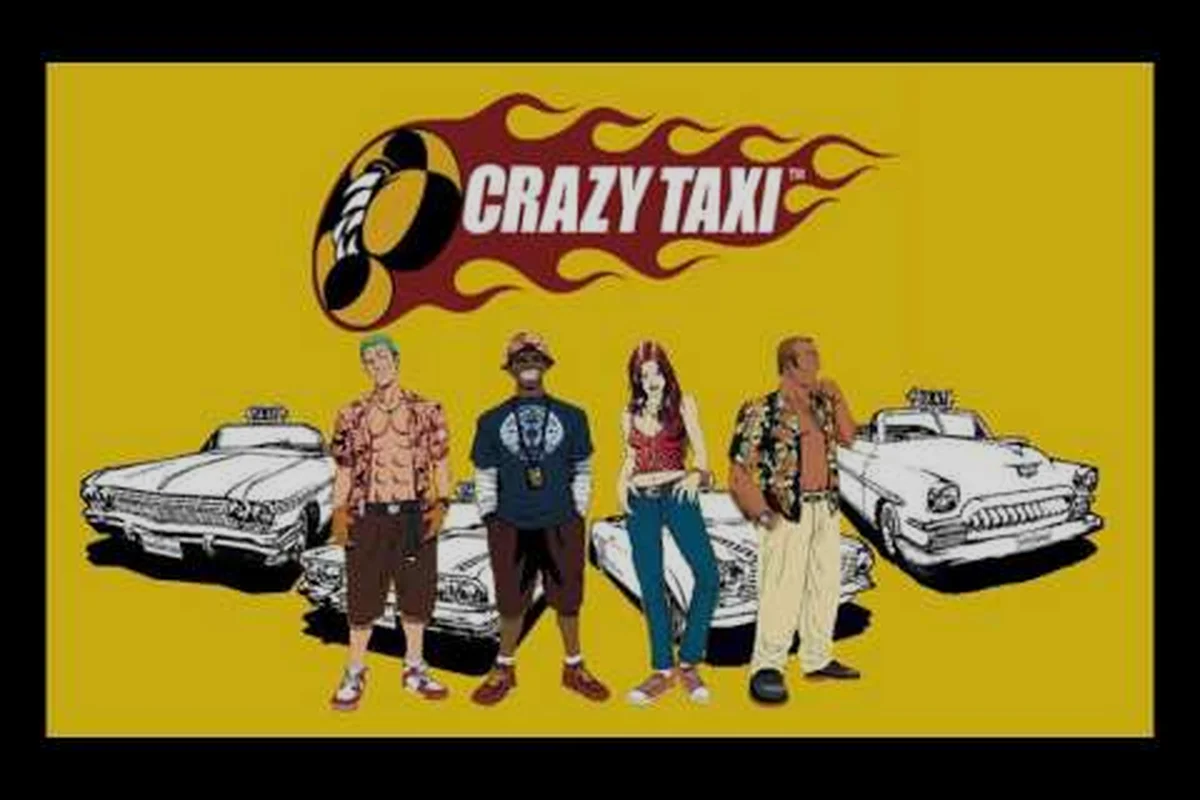
Crazy Taxi: World Tour Unreal Engine 5 Open World Tech
See how Crazy Taxi Unreal Engine 5 rebuilds the open world reboot, with dense traffic AI, modern lighting, and the multiplayer plans for SEGA's 2027 launch.
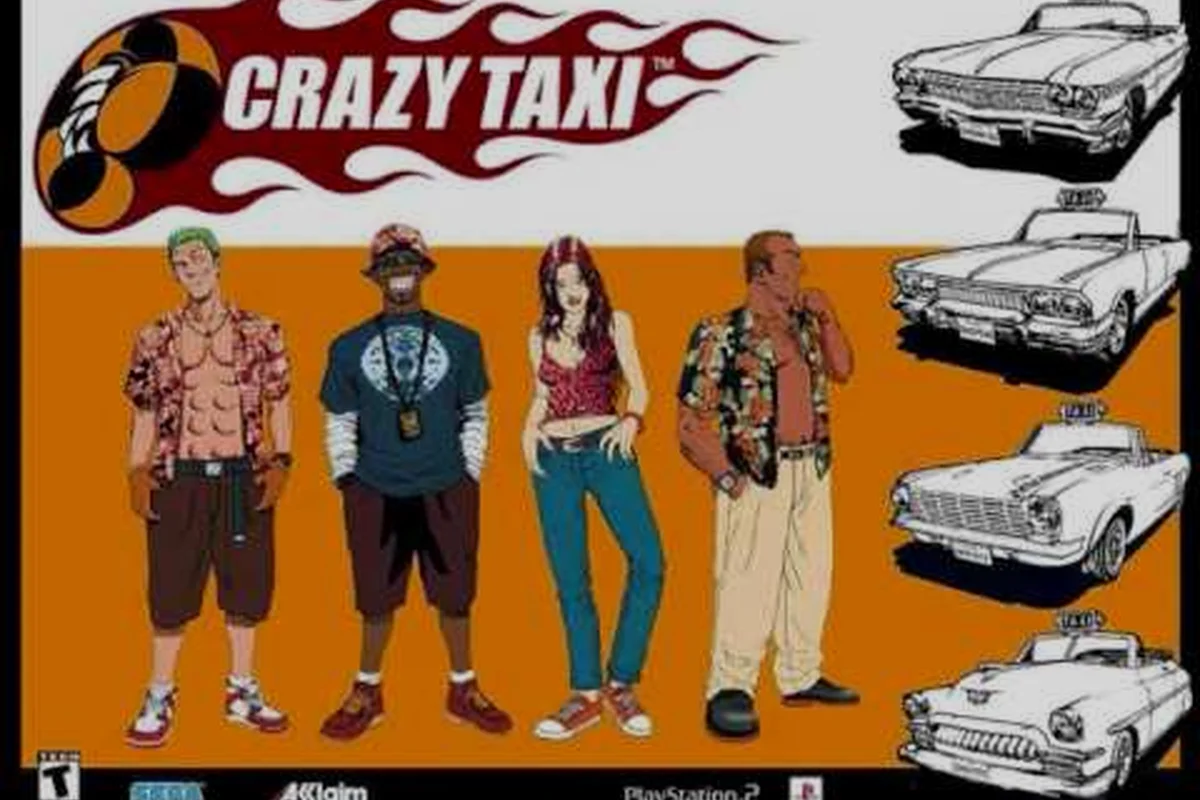
Crazy Taxi: World Tour Soundtrack and Punk Rock Track List
Crank up the Crazy Taxi soundtrack rooted in punk classics from The Offspring and Bad Religion, with the full track list and Offspring cameos across the series.
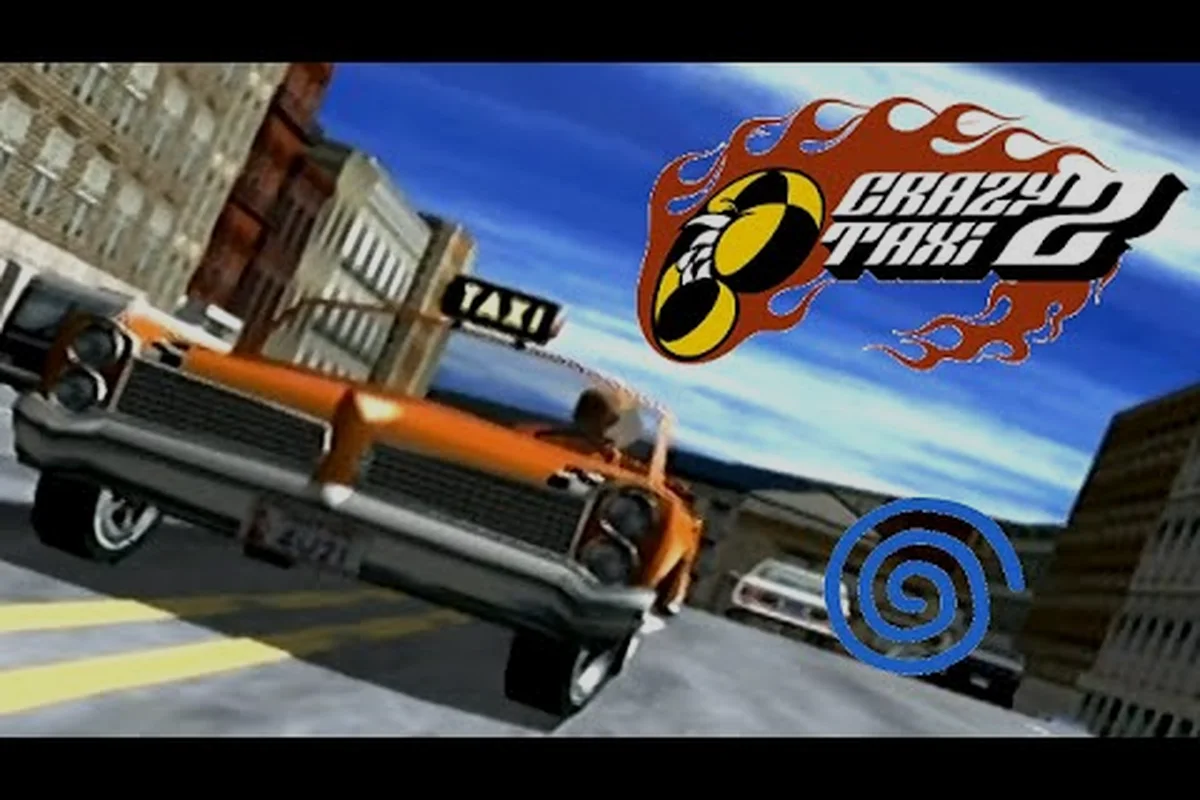
Crazy Taxi: World Tour Dreamcast Games and Classic Ports
Revisit Crazy Taxi Dreamcast classics including the original port, Crazy Taxi 2, High Roller, Catch a Ride, and Fare Wars, plus how they connect to World Tour.